Individual Art Therapy
Individual art therapy offers a structured, one-on-one space to explore emotions, patterns, and personal narratives in ways that words alone often cannot. Sessions integrate art materials—traditional and non-traditional—into reflective therapeutic work, allowing you to externalize experience, see new perspectives, and deepen self-understanding. You don’t need any artistic skill; the focus is on the process, insight, and discovery.

My approach integrates art therapy with evidence-informed modalities, creating a structured yet flexible process that supports both emotional depth and practical skill development.
HOW I WORK
Approaches Used
-
DBT skills are woven into sessions in experiential ways rather than taught only didactically. Creative interventions may support:
Emotional regulation through color, movement, and material choice
Distress tolerance through grounding-based art processes
Mindfulness through sensory-focused art making
Interpersonal effectiveness through role exploration and visual mapping
This integration is particularly supportive for clients who feel emotionally intense internally while appearing highly functional externally.
-
A core focus of the work is identifying and amplifying existing strengths, adaptive strategies, and areas of resilience. Rather than centering solely on pathology, sessions intentionally track:
What is already working
Where flexibility already exists
How creative problem-solving is already present in your life
Art processes often make these strengths more visible and concrete.
-
Many clients carry internalized stories about themselves that feel fixed or limiting. Through both verbal reflection and image-making, we may:
Externalize problems from identity
Explore dominant versus alternative narratives
Visually map life chapters or identity themes
Re-author personal meaning through symbolic work
This approach can be especially helpful for individuals navigating identity questions, perfectionism, or long-standing self-criticism.
Use of Art Materials
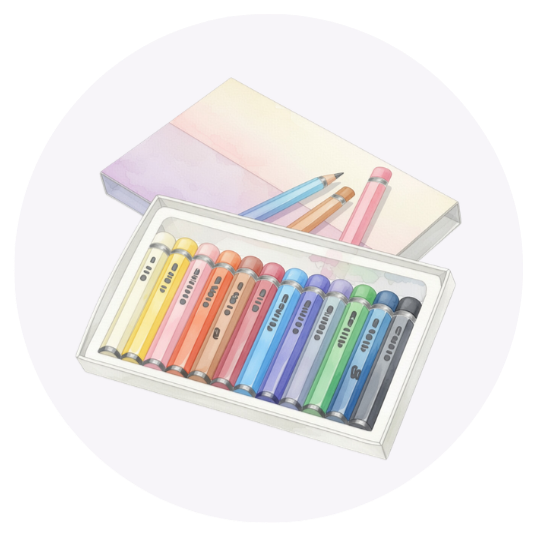
Art materials are not used as an “add-on,” but as an integrated clinical tool throughout the therapeutic process.

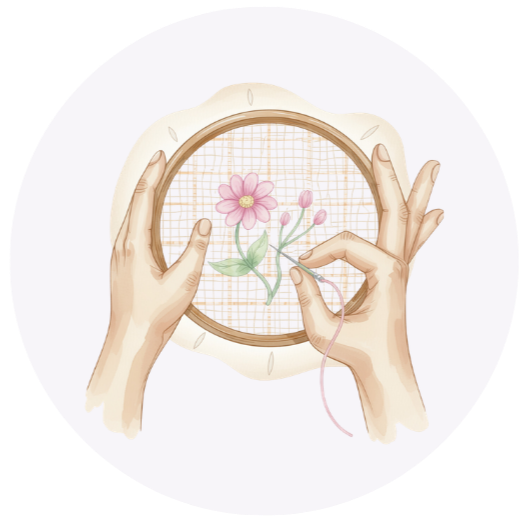
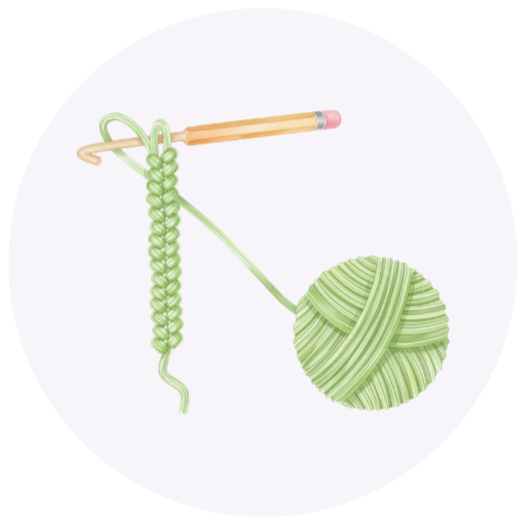
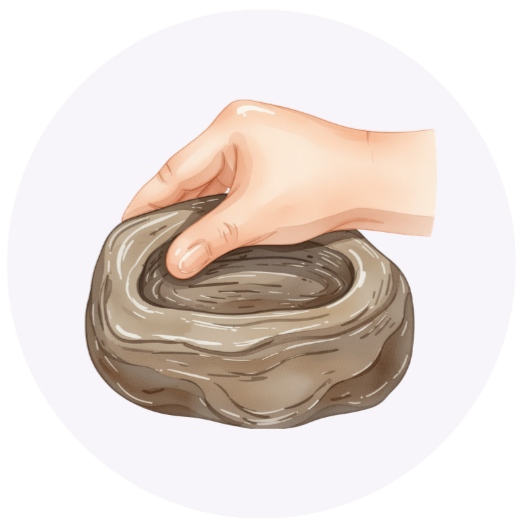
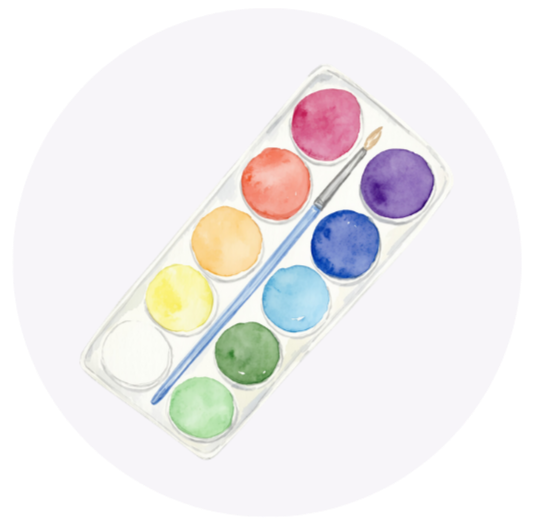
Different materials offer different therapeutic experiences. Watercolor, with its fluid and less predictable nature, can help access and express emotions that feel difficult to control or define. Drawing and painting can bring clarity and structure to overwhelming thoughts, while collage supports identity exploration through selection, symbolism, and narrative building. Clay and sculptural work engage the body directly, often promoting grounding, release, and embodied awareness.
Fiber-based processes such as crochet, knitting, cross stitch, and embroidery introduce rhythm and repetition, which can support regulation, patience, and reflective processing. The steady, tactile nature of these materials can be especially helpful for anxiety, rumination, or emotional intensity. Digital art offers flexibility and experimentation, allowing for layering, revision, and creative risk-taking in ways that can mirror narrative reworking and cognitive flexibility.
Materials are chosen intentionally and collaboratively, aligning with your emotional needs, processing style, and therapeutic goals within each session.